logo
บ้าน ข่าว

Low-Voltage vs. Medium-Voltage Cables: How Design Differences Shape Installation

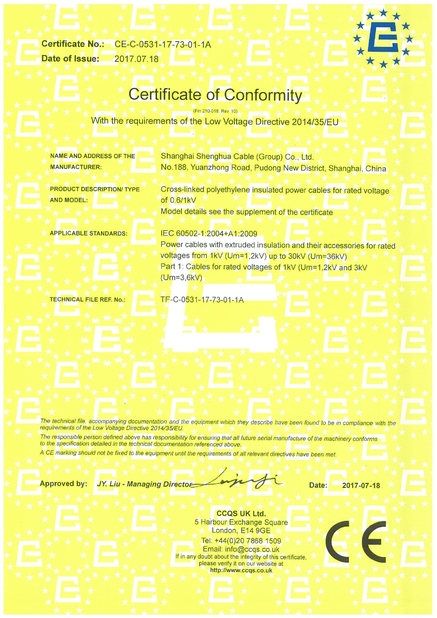
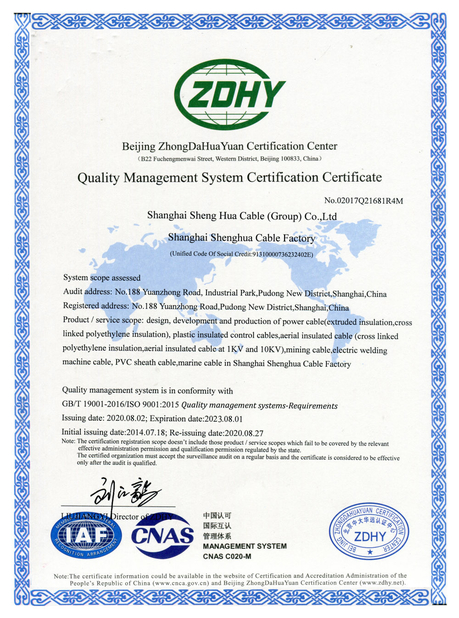
จีน Shanghai Shenghua Cable (Group) Co., Ltd. รับรอง
ผู้จัดจำหน่ายที่ดีการตอบสนองต่อความเร็วที่รวดเร็วเวลาการจัดส่งที่รวดเร็วผลิตภัณฑ์ที่มีคุณภาพสูง ฉันโชคดีที่ได้พบคุณ!

—— จอห์นสมิ ธ

เราได้รับการทำงานร่วมกันเป็นเวลา 5 ปีพวกเขาเป็นผู้จัดจำหน่ายที่ดีและ freinds ดีเกียรติของเราที่จะทำงานกับพวกเขา

—— Mohamed Rebai

ผมรู้สึกยินดีเป็นอย่างยิ่งกับการให้บริการของ บริษัท นี้ผมเชื่อว่าธุรกิจของพวกเขาจะดีขึ้นและดีขึ้น

—— แดเนียล

งานนำเสนอและบริการที่เป็นมืออาชีพของคุณที่คุณมอบให้เราได้รับการปรบมือต้อนรับยืน Shenghua ควรมีอนาคตที่สดใสมากขึ้น

—— Rendell Brewster

Шенгхуаісацредіблеэнтерпрісэ, вехвеэстаблішедцооператыёнфорзоргалонгтепол

—— KHADBAATAR

สนทนาออนไลน์ตอนนี้ฉัน
บริษัท ข่าว
Low-Voltage vs. Medium-Voltage Cables: How Design Differences Shape Installation
ข่าว บริษัท ล่าสุดเกี่ยวกับ Low-Voltage vs. Medium-Voltage Cables: How Design Differences Shape Installation
Low-Voltage vs. Medium-Voltage Cables: How Design Differences Shape Installation

Choosing the right cable is critical for any electrical project. The technical distinctions between low-voltage (LV) and medium-voltage (MV) cables are profound, directly determining their applications, safety protocols, and installation methods. Understanding these differences is key to ensuring a reliable, efficient, and compliant power system.

Core Differences: Construction & Design

Low-Voltage Cables​ (typically rated up to 1000V) feature a simpler, more economical design. They commonly use single-layer PVC or XLPE insulation, are often unarmored for indoor use, and have smaller conductor cross-sections. This makes them ideal for internal wiring in residential, commercial, and light industrial settings—powering everything from outlets and lighting to control systems.

Medium-Voltage Cables​ (typically 1kV to 35kV) are engineered to handle significantly higher electrical stress. Their construction is more complex and robust:

  • Multi-Layer Insulation System:​ This includes conductor and insulation screens​ (semi-conductive layers) to control electric field distribution and prevent partial discharge.
  • Enhanced Insulation:​ High-grade XLPE provides superior dielectric strength and thermal endurance.
  • Integrated Shielding and Armor:​ A copper tape screen​ manages fault currents and provides EMI protection. Steel wire or tape armor​ is often added for mechanical protection in direct burial, duct, or industrial applications.
Diverging Paths: Installation & Requirements

LV Cable Installation​ is relatively straightforward. In non-hazardous areas, they can be directly buried or installed in conduit without excessive special measures. Termination often uses standard compression lugs, and jointing techniques are simpler.

MV Cable Installation​ is a precision-driven process with stringent requirements:

  1. Strict Bending Radius:​ To prevent damage to the layered structure, the minimum bending radius is much larger—often over 12 times the cable diameter.
  2. Critical Jointing & Termination:​ This is the most technically demanding aspect. Specialized pre-molded or cold-shrink terminations with stress cones​ are essential to control the electrical stress at cable ends. Splicing requires a clean, controlled environment and expert techniques (e.g., epoxy resin or silicone) to prevent insulation degradation.
  3. Enhanced Handling & Protection:​ Heavier reels require specialized equipment. For direct burial, proper bedding, sand protection, and warning tapes are mandatory.
  4. Mandatory Testing:​ Post-installation, high-potential (Hi-Pot) or VLF (Very Low Frequency) acceptance testing​ is mandatory to verify the integrity of the insulation system—a step not typically required for LV systems.
Conclusion: The Right Cable for the Right Job

In summary, think of LV cables as the versatile "circulatory system" for everyday power distribution, prioritizing cost-efficiency and ease of use. MV cables are the robust "arteries" of the power network, where design and installation focus uncompromisingly on long-term reliability and performance under higher stress.

Selecting the correct cable type and following its specific installation guidelines is not just a technicality—it’s a fundamental requirement for safety and operational success. Whether you're planning a facility upgrade, an infrastructure project, or a new construction, a clear understanding of these voltage-class distinctions ensures a safer, more reliable, and compliant electrical installation.

ผับเวลา : 2026-01-31 15:37:23 >> รายการข่าว
รายละเอียดการติดต่อ
Shanghai Shenghua Cable (Group) Co., Ltd.

ผู้ติดต่อ: Ms. Mayling Zhao

โทร: 86-21-68172999

แฟกซ์: 86-21-58179888

ส่งคำถามของคุณกับเราโดยตรง (0 / 3000)